Coffeyville Historical Society
Dalton Defenders
Museum
Coffeyville, Kansas
The true story of the October 5, 1892 raid — the day a town stood against the most daring bank robbery in the history of the frontier West.
Where the West’s Most Daring Raid Ended
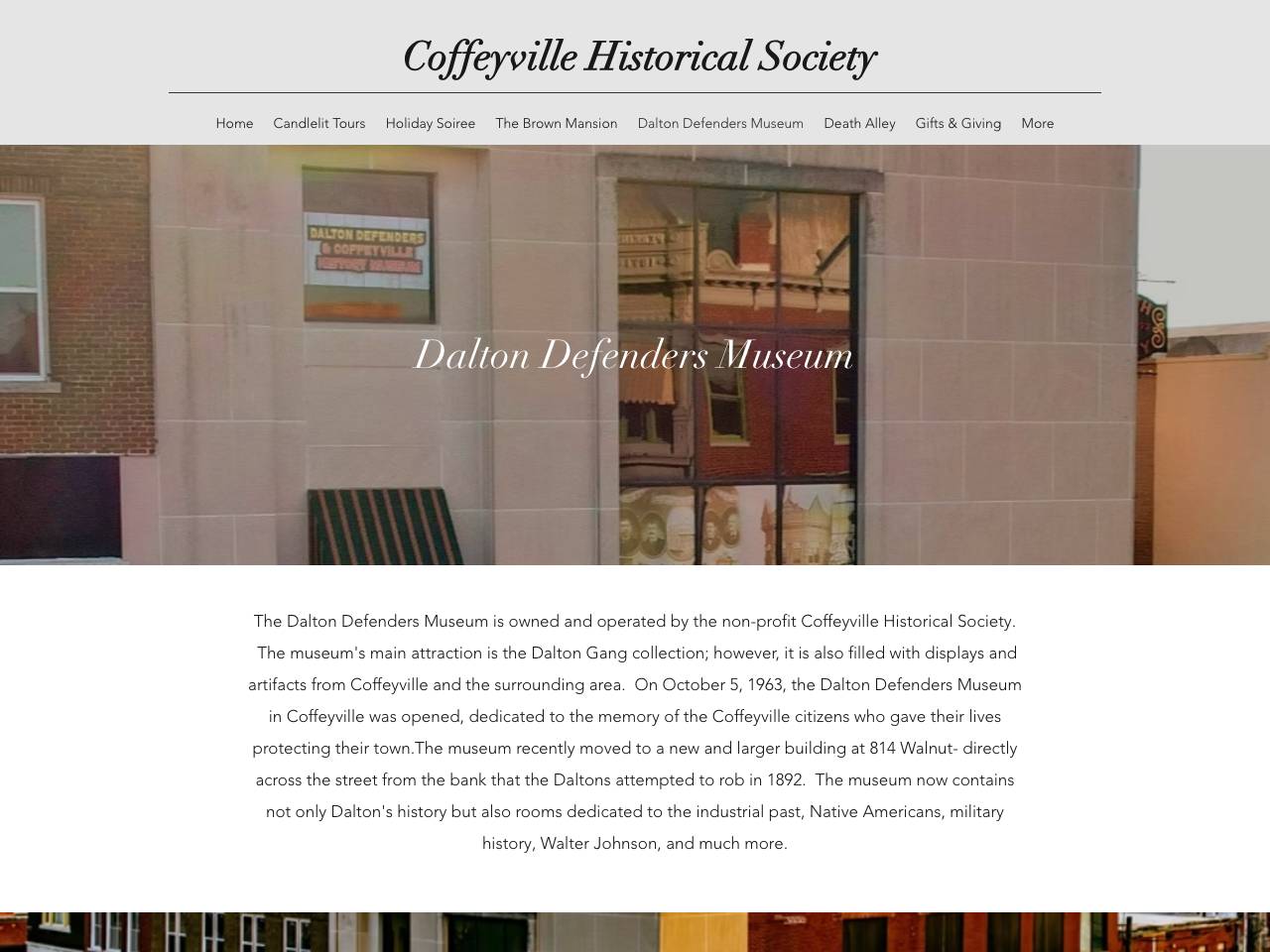
On a single morning in 1892, the Dalton Gang attempted to rob two banks simultaneously in broad daylight. What followed in the alley west of the Condon Bank — forever after called Death Alley — became one of the most pivotal gunfights in American frontier history. The Dalton Defenders Museum honors the courage of the townspeople who stood their ground.
The Raid on Coffeyville
The Dalton Gang rode into Coffeyville that October morning disguised with false beards, intending to outdo the James-Younger Gang by robbing two banks at the same time. They would not ride out again.
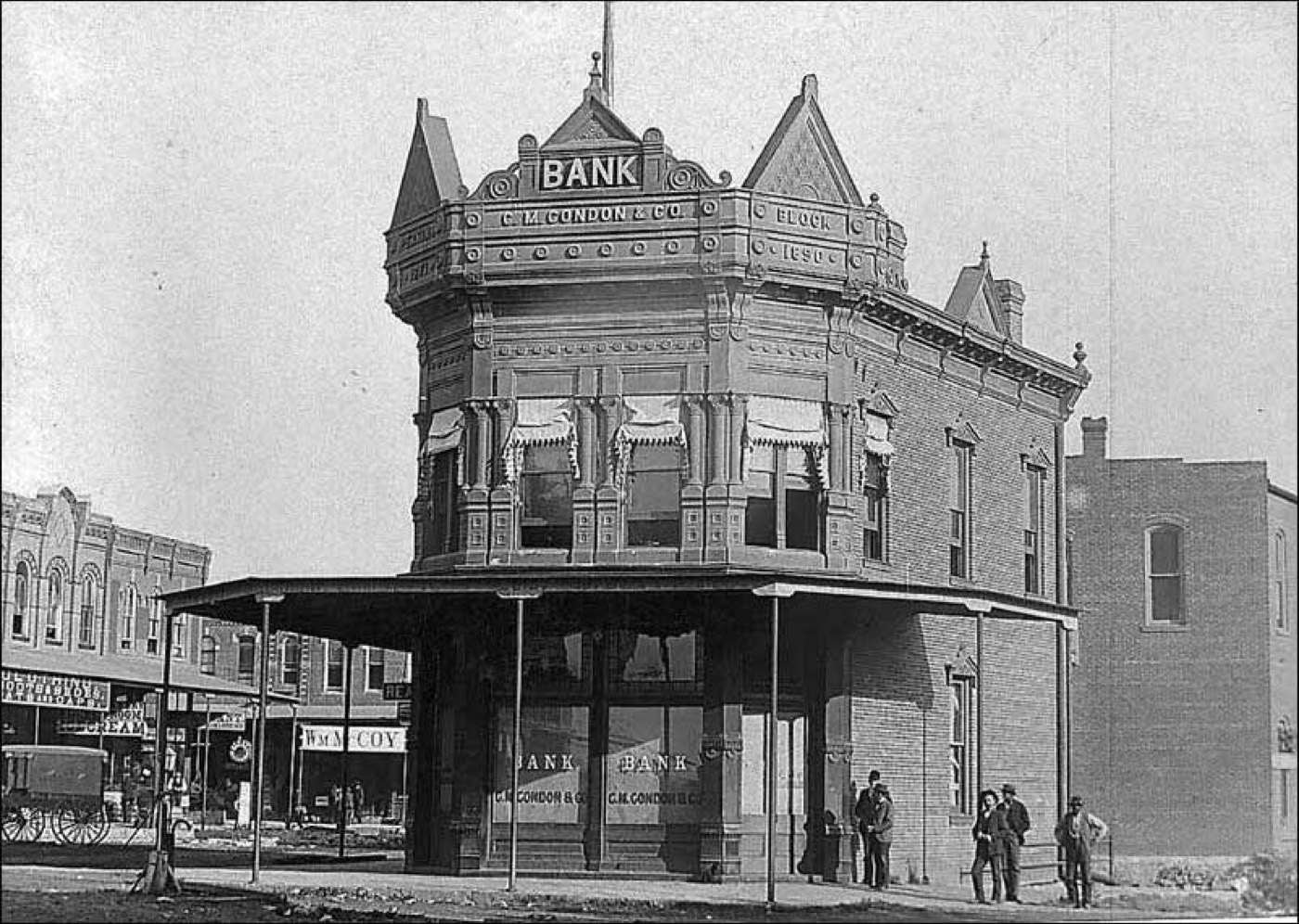
The Dalton Gang — led by brothers Bob and Grat Dalton, along with Dick Broadwell, Bill Powers, and Emmett Dalton — had planned the double-bank robbery for months. Their targets: the C.M. Condon & Co. Bank and the First National Bank, situated directly across Walnut Street from one another in downtown Coffeyville.
But the townspeople recognized them. As the gang entered the banks, residents armed themselves from a hardware store. When the Daltons emerged, they walked into a hail of gunfire in the alley west of the Condon Bank — an alley that would be known forever after as Death Alley.
The gunfight lasted less than twelve minutes. Four town defenders gave their lives: Town Marshal Charles T. Connelly, Lucius Baldwin, George Cubine, and Charles Brown. Four outlaws were killed: Bob Dalton, Grat Dalton, Dick Broadwell, and Bill Powers. Only Emmett Dalton survived — struck by 23 wounds and taken captive. He was sentenced to life in prison and served fourteen years in the Kansas State Penitentiary before being pardoned in 1907.
The museum preserves the artifacts, accounts, and memory of this extraordinary chapter in Kansas history — and above all, honors the defenders who made the ultimate sacrifice.
Morning of October 5, 1892
-
~9:30 a.m.The Dalton Gang rides into Coffeyville wearing false beards as disguise.
-
~9:40 a.m.Gang splits: Bob & Emmett enter First National Bank; Grat, Broadwell & Powers enter Condon Bank.
-
~9:42 a.m.Citizens recognize the outlaws. Armed townspeople take positions throughout the square.
-
~9:50 a.m.The gunfight erupts in Death Alley. Eight men die in under twelve minutes.
-
AftermathEmmett Dalton captured with 23 wounds. The Dalton Gang is no more.
Photographs from 1892
These photographs are part of the historical record of the Coffeyville raid. They are presented here as primary source documents — to be understood in their historical context, with solemnity and respect for all who lost their lives that day.
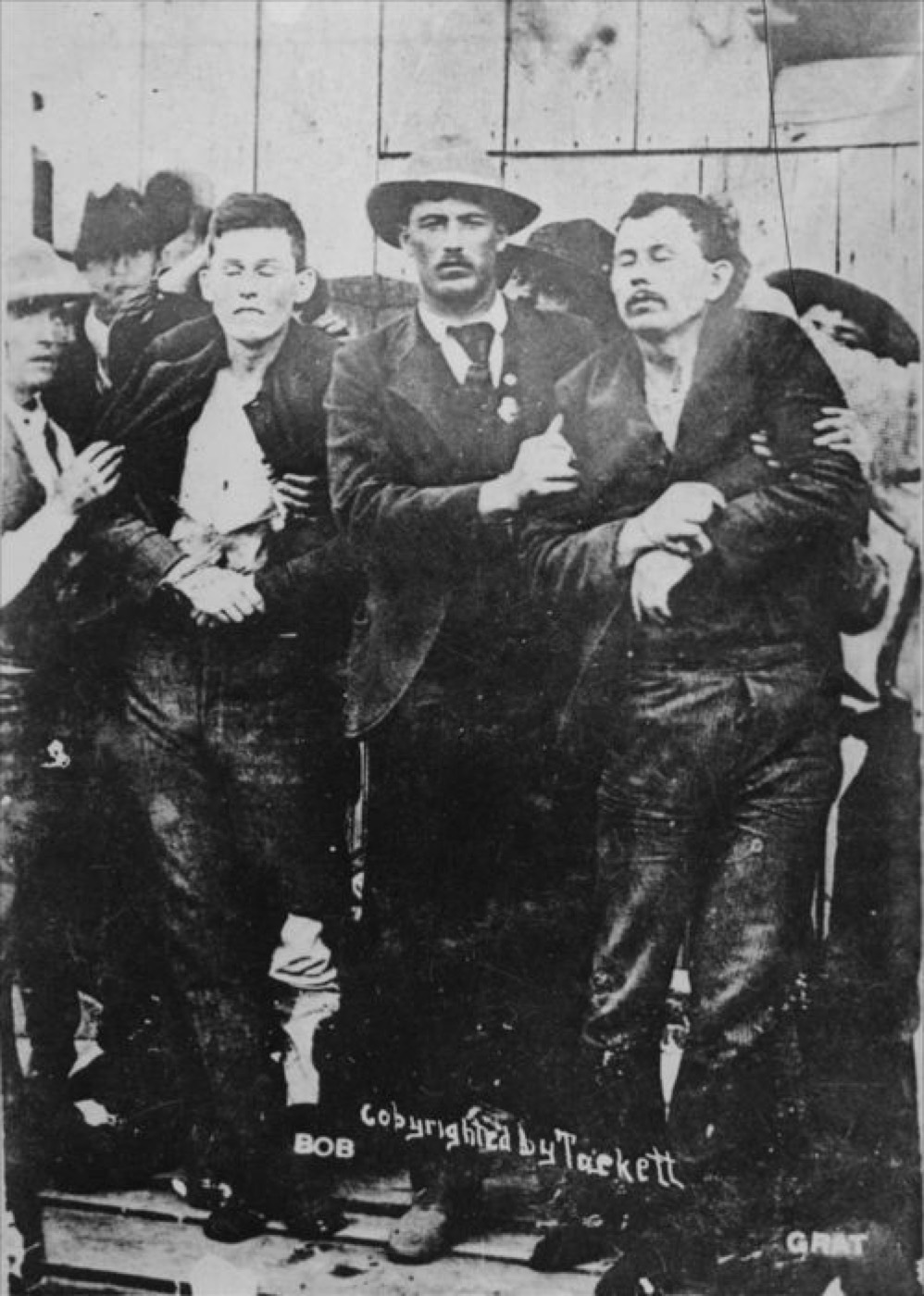
The Aftermath of the Raid
This photograph, taken in the hours after the gunfight in Death Alley, is one of the most significant primary source documents of the Dalton raid. It stands as a sober record of the costs borne by both the town’s defenders and the outlaws who chose to challenge them.
Public domain photograph, 1892. Courtesy Wikimedia Commons.
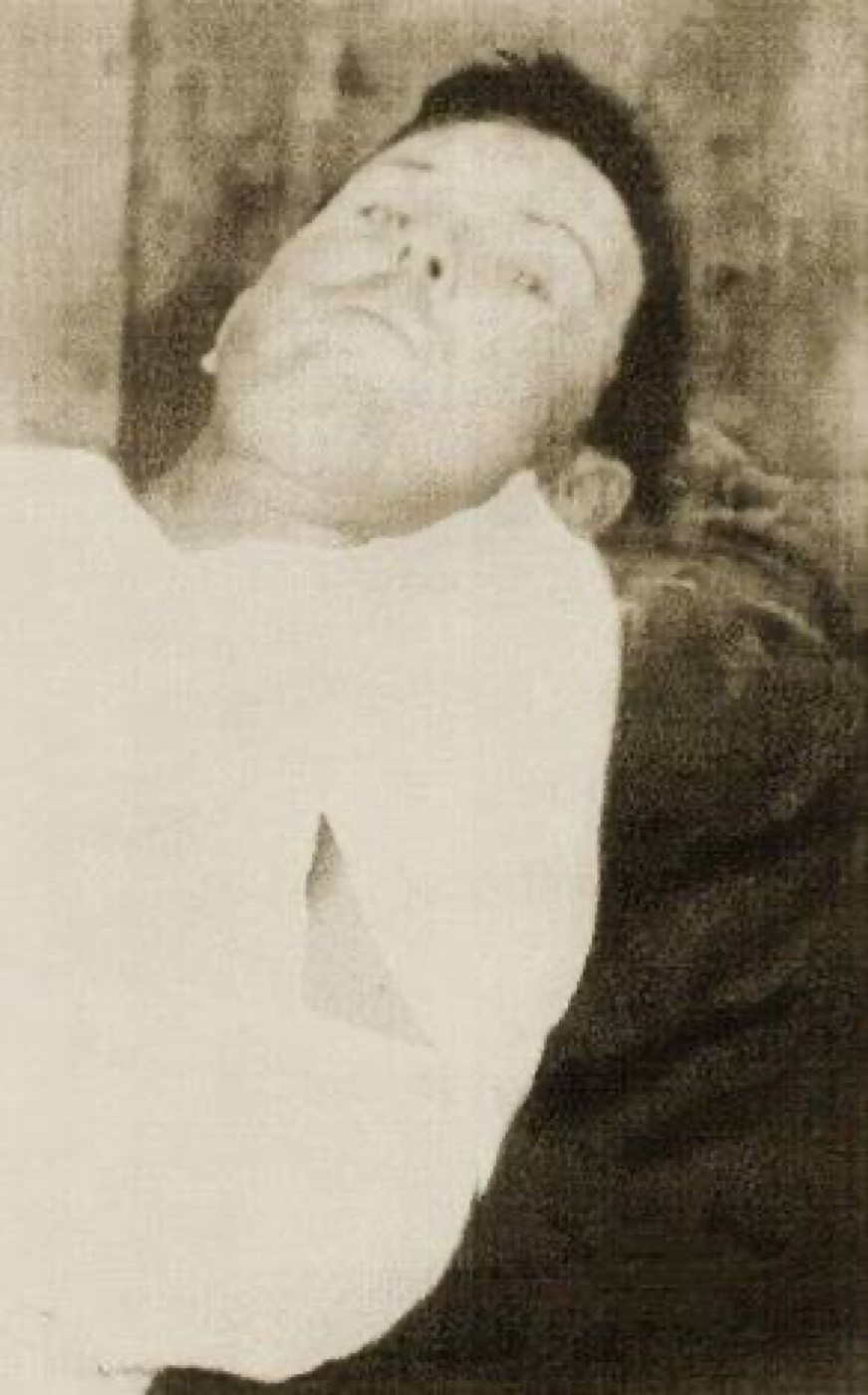
Emmett Dalton
Emmett Dalton was the only member of the gang to survive the raid, having sustained 23 gunshot wounds. He was captured at the scene and later sentenced to life in prison. Pardoned in 1907, he went on to become a real estate agent and author, writing a memoir of his outlaw years. He died in 1937.
Public domain photograph, 1892. Courtesy Wikimedia Commons.
The museum’s collection includes Dalton raid artifacts and Coffeyville history. See the museum for details.
The Four Defenders
Four Coffeyville citizens gave their lives on October 5, 1892, defending their town against the Dalton Gang. The museum honors their sacrifice.
-
Charles T. Connelly
Town Marshal of Coffeyville
The town’s law enforcement officer, Marshal Connelly was among the first to confront the gang as they fled the banks. He gave his life in the line of duty on October 5, 1892.
-
Lucius Baldwin
Coffeyville Citizen
A Coffeyville resident who took up arms to defend his community. Baldwin was one of the first defenders to fall in the opening moments of the gunfight.
-
George Cubine
Coffeyville Citizen
George Cubine was a Coffeyville resident who joined his fellow townspeople in confronting the Dalton Gang. He died defending the community he had made his home.
-
Charles Brown
Coffeyville Citizen
Charles Brown was among the armed citizens who rushed to defend Coffeyville from the Dalton Gang’s attack. His sacrifice is remembered alongside his fellow defenders at the museum.
“They stood their ground when it counted most. Coffeyville remembers.”
Plan Your Visit
Coffeyville, KS 67337
Admission
The Dalton Defenders Museum is operated by the Coffeyville Historical Society. Admission and donations support the Society, a nonprofit.
Call (620) 251-5944Also by the Historical Society
The Coffeyville Historical Society also operates the Brown Mansion.
See the Brown Mansion on the Society’s websiteThe Coffeyville Historical Society
The Coffeyville Historical Society is a nonprofit organization dedicated to preserving and sharing the history of Coffeyville and southeastern Kansas. The Society operates two historic sites: the Dalton Defenders Museum and the Brown Mansion.
The Coffeyville Historical Society’s collections include artifacts from the 1892 Dalton raid, along with documents, photographs and objects from Coffeyville’s history.
As a nonprofit, the Society relies on members, donors and visitors. Contact the Society for current ways to give.
Support the Museum
Admission and donations support the Society, a nonprofit.
Contact the Society to Get InvolvedSample accessibility statement (concept)
An example of the statement we would draft with the museum. This is not the museum’s own statement.